Fast Growing Houseplants: Make Your Home Lush Quickly!
If you’re a gardener who loves seeing results, having a few fast growing houseplants is fun and the way to go. These plants give you visible growth during the active growing season — especially in spring and summer. Who doesn’t want pots that look lush and full?
Indoors, “fast growing” doesn’t mean a plant shoots up overnight or even in a month. It means you’ll see steady progress when your plant is receiving ample light, proper watering, and is actively growing during the spring and summer months. Give them what they need, and let the growing begin!
Fast Growing Houseplants: Things To Know & A List Of Tried & True Plants
Get The Growing Conditions Right
Indoor plants need the right conditions to grow well — and especially if you want them to grow fast. Many will be happy in similar environments and locations, but it’s always smart to do a little homework before bringing one home, especially if you already have a certain spot in mind.
Most indoor plants do best in bright, indirect light (sometimes called moderate light). They love natural light because that’s what they receive in their native habitats and in the climate-controlled greenhouses where they’re raised before coming to us.
Some plants come with care tags from the grower, but not all of them do. I’ve written care posts for most of the indoor plants mentioned here, and you’ll find them linked under each plant as a reference.
What Makes A Houseplant Grow Slowly
The type of plant. Some plants naturally grow slowly, while others have a moderate or fast growth habit.
Adjusting to a new environment. Plants come to you from bright, warm greenhouses and may need an adjustment period when brought into your home. A short adjustment period is normal.
Time of year. The active growing season is spring and summer. Growth slows in fall and winter.
Age of the plant. Some plants take a couple of years to establish before taking off.
Lack of light. Bright indirect light is the sweet spot for most plants. In low light, growth will slow or may stop.
Temperature. If you keep your home cool, plants will grow more slowly.
Potbound. When the roots are too tight in the pot, growth will be restricted.
Soil. A well-drained soil mix formulated for houseplants is best to enable drainage and aeration. If the soil is old, it should be refreshed.
Fertilizing. Plants need routine feeding during the growing season to grow and look their best.
Proper Care Matters
Getting the basics right makes a difference. Good care is what helps these plants grow as quickly and as healthily as possible. Along with proper light, pay attention to watering, feeding, repotting, and pruning — they all play a part in steady growth.
I’ve linked care posts for all the plants I’m currently growing, so you can use those as a handy guide if you need more details.
Common Mistakes
The most common reasons plants grow slowly are insufficient natural light, watering too often, roots too tight in the pot, no regular feeding schedule, and temperatures that are too cool. When you adjust those basics, you should see improved growth.
What I’ve Learned About Fast Growing Plants (things to think about plants with fast growers)
We all love fast growth, but there are a few things to keep in mind. Some of these plants will require regular pruning to maintain control. I trim my Golden Pothos five times a year to keep it from trailing across the floor and blocking the hallway. Quite a few trailing plants exhibit this growth habit. If your Ficus benjamina hits the ceiling, it’s probably time for a haircut.
As the plant grows, the roots grow too. That means moving it into a larger pot at some point. I plant most of my houseplants in plastic grow pots and then place them inside decorative containers. When I size up the grow pot, I often need a larger decorative pot as well. Along with a larger grow pot, you’ll probably need a new decorative pot.
As the plant grows and gets bigger, it may outgrow its spot and need a new location. It’s just part of growing big, beautiful plants. These are all things to keep in mind, but if you want that lush look, they’re all worth it!
17 Fast Growing Houseplants
I’ve been growing thirteen of these plants for quite a while now, and they’ve helped turn my home into a bit of an indoor jungle. The other four are ones I’ve grown in the past and had success with — I’ll list those at the end.
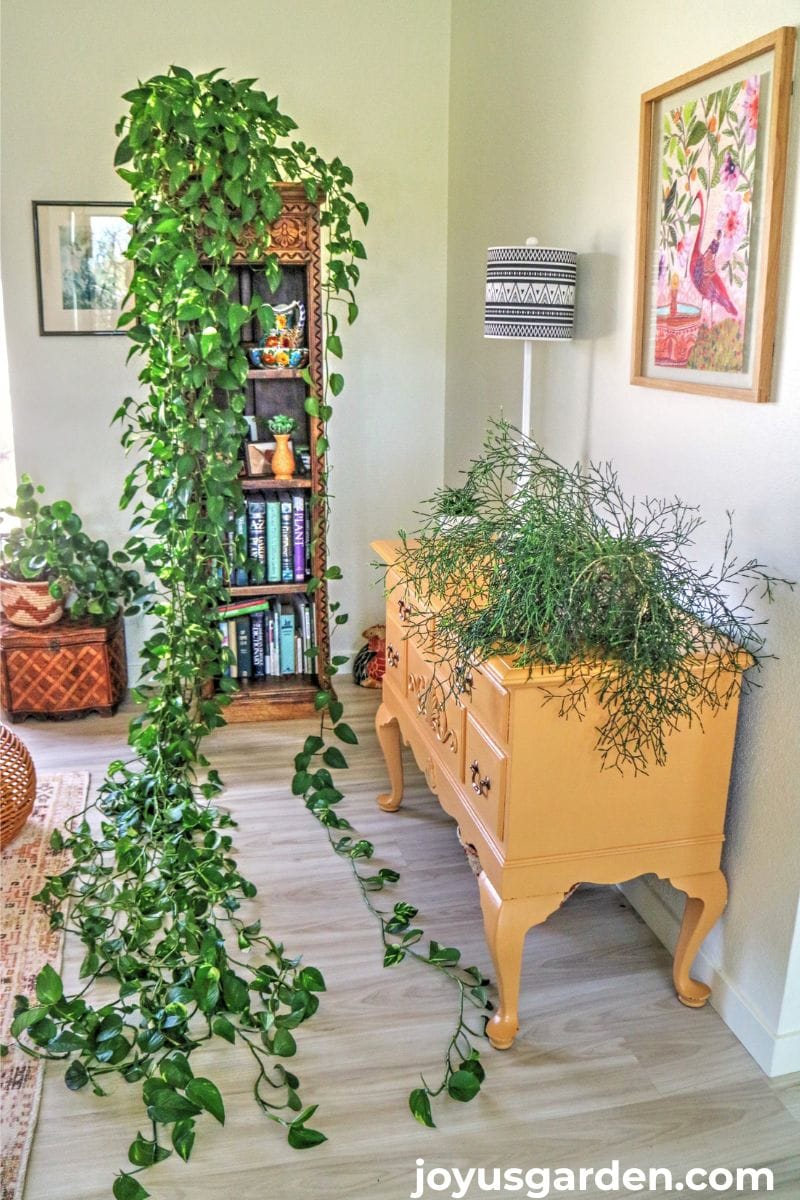
Pothos (Epipremnum aureum)
If you’re after long, flowing trails, this fast-growing plant is hard to beat. There are many varieties to choose from, ranging from solid green to green and white to bright chartreuse. Those trailing stems can reach15 feet or more over time, making them suitable for the tops of shelves and hanging baskets. I’m currently growing golden pothos, pothos n’joy, and neon pothos. Type: trailing plant
Growing Guides: Pothos Care, How To Grow A Pothos With Long Vines, Golden Pothos, Neon Pothos, Pothos N’Joy, Marble Queen Pothos
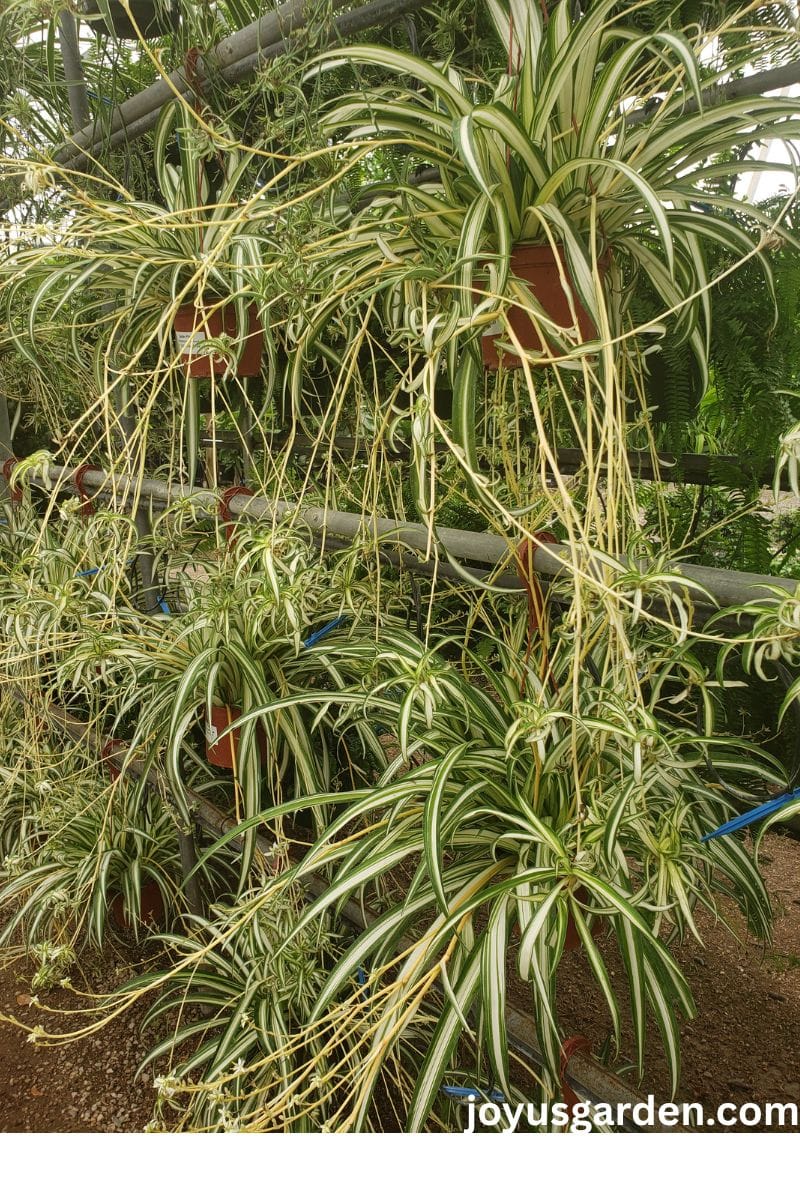
Spider Plant (Chlorophytum comosum)
Spider Plants are fun because of the babies they produce on long, arching stems. This makes them very easy to propagate and share. This plant is tough, adaptable, and spreads if given the room. They come in different variegations along with a solid green form. Type: trailing plant, tabletop plant
Growing Guide: Spider Plant Care
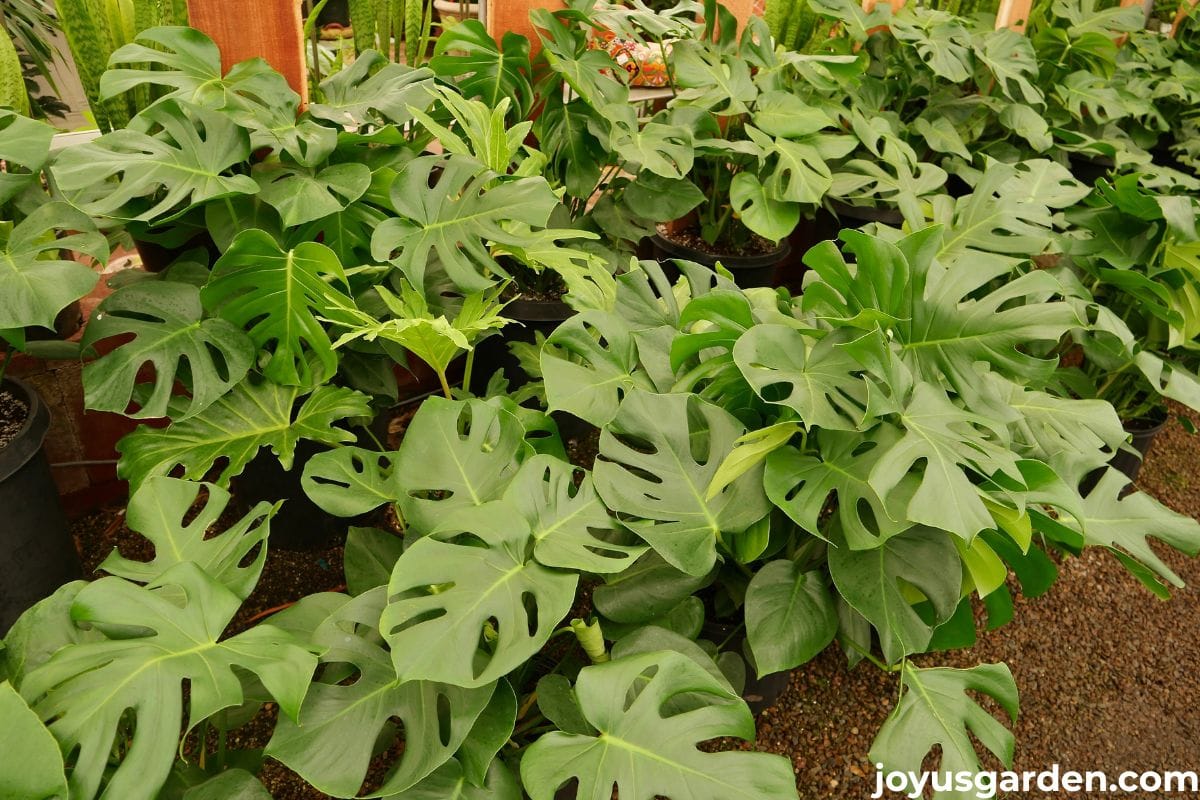
Swiss Cheese Plant (Monstera deliciosa)
If you want to bring a touch of the tropics into your home, this plant is a wonderful choice. Its iconic, deeply split, large leaves make a bold statement as the plant spreads out over time. It’s easy to see why it’s so popular — the foliage is dramatic without being fussy. Known for its unique look, the Monstera adds a lush vibe to any room. The variegated forms of this plant are popular now, too. Type: floor plant
Growing Guide: Swiss Cheese Plant Care
Philodendron Brasil (Philodendron hederaceum Brasil)
This is a cultivar of the old school heartleaf philodendron. What attracted me to this plant is its distinctive variegated foliage. It has long vines and beautiful yellow/green patterning in the middle of the heart-shaped leaves, which are edged in a rich green. I also have a Philodendron Silver Stripe, which is another heartleaf cultivar. Type: trailing plant
Growing Guide: Philodendron Brasil Care
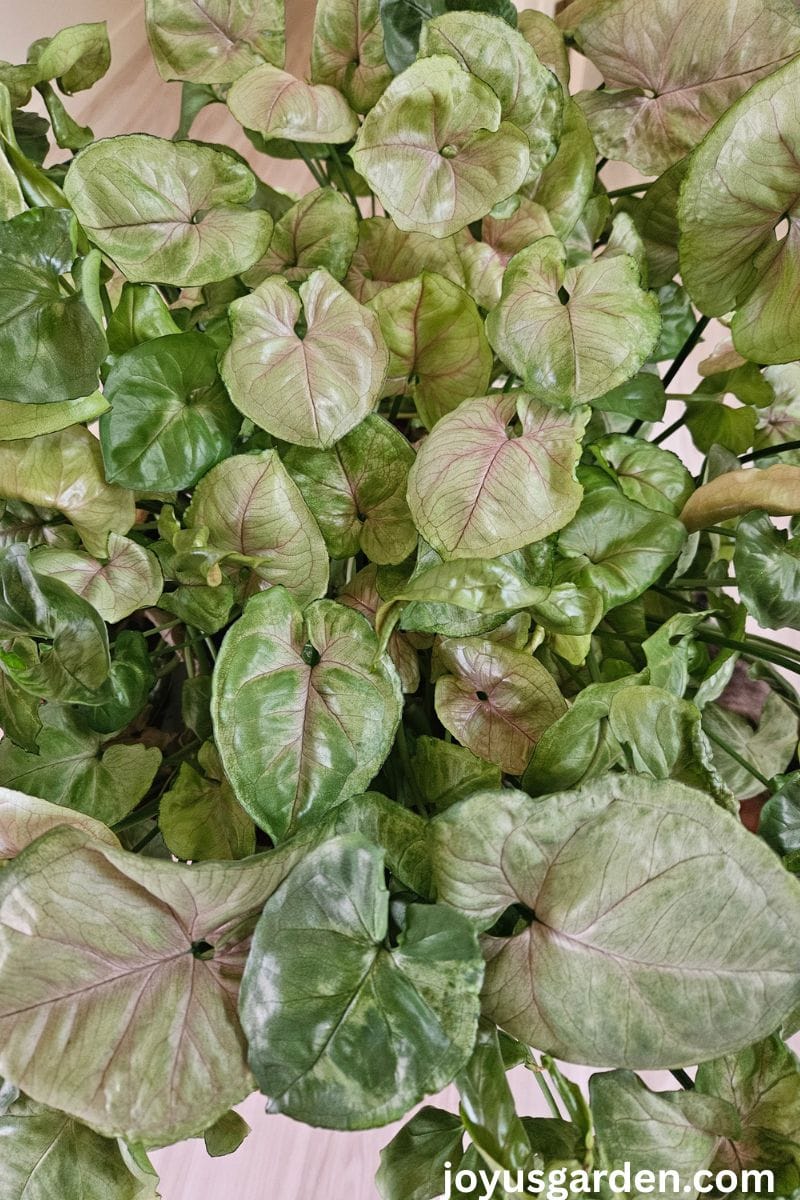
Arrowhead Plant (Syngonium)
This plant is also known as Arrowhead Vine, available in many beautiful varieties, with a range of colors and variegations. It grows quickly and becomes full over time. I like to give mine regular trims to keep it looking tidy and to keep the twisted stems from flopping too much. Like the other trailing plants, it’s a great choice for a hanging basket, where it can really show off. Type: trailing plant
Growing Guide: Arrowhead Plant Care
Mini-Monstera (Rhaphidophora Tetrasperma)
I love the foliage on this plant — it looks like someone carefully cut each leaf by hand. I’ve pruned mine a few times, and it’s now about 7 feet tall, happily climbing up a trellis. Like other climbing plants, a Monstera minima does best when it has something to grow on, like a trellis, moss pole, or indoor plant wall clips. Type: trailing plant, tabletop plant
Growing Guide: Rhaphidophora Tetrasperma Care
Aloe Vera (Aloe barbadensis)
This easy plant isn’t just good-looking — it’s useful, too. It produces baby plants as it spreads and grows wider over time. Aloe vera is handy to keep in the kitchen so it’s close at hand when you need it. As a succulent, it brings a desert vibe to your space and looks especially good in clay pots. It’s one of the easiest houseplants to grow, as long as you give it bright light and go easy on the watering.
Type: tabletop plant
Growing Guide: Aloe Vera Plant Care
Swiss Cheese Vine (Monstera adansonii)
The Swiss Cheese Vine is a trailing houseplant with unique cut-out foliage and a wild vining nature. What’s fun about this lacy vine is that it can be left to trail, trained to climb, or both, like mine. Type: trailing plant, tabletop plant
Growing Guide: Swiss Cheese Vine Care
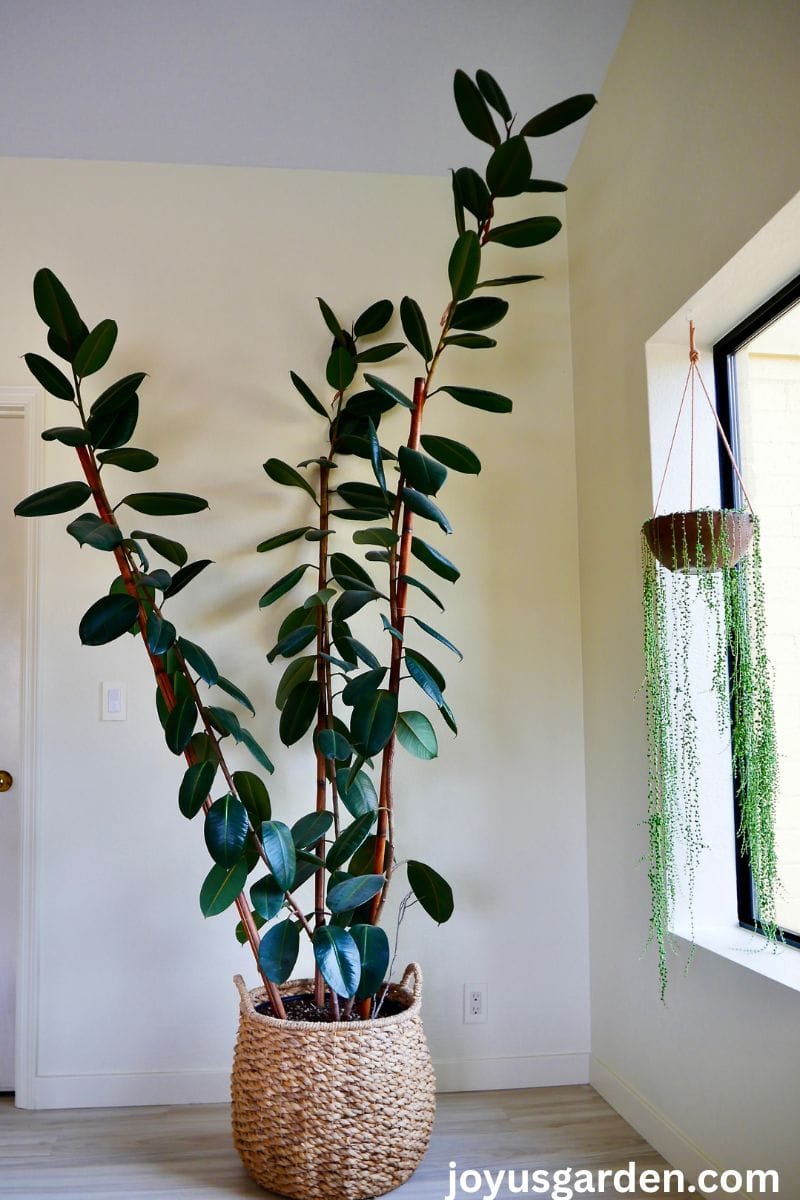
Rubber Plant (Ficus elastica)
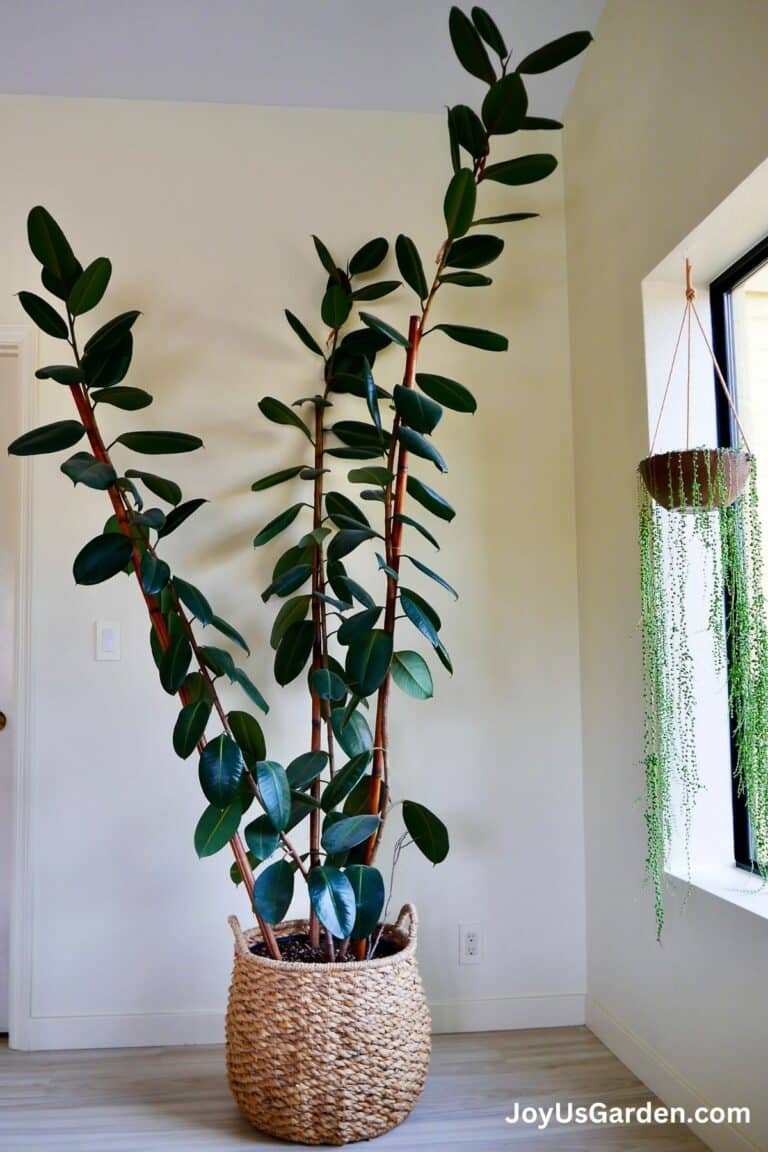
If you want an easy indoor tree with big, glossy, dark green leaves, take a look at this one. Mine is growing in the kitchen with 13-foot ceilings, and it’s just about to touch the top. Also called a Rubber Tree, it’s a great bang for your buck, because it provides impact for the price, and grows quickly. There are variegated forms of this plant if that’s more to your liking. Type: floor plant
Growing Guide: Rubber Plant Care
Satin Pothos (Scindapsus pictus)
The Satin Pothos is a variegated, vining plant that is beautiful and trails like crazy. Its dark green foliage is speckled with silver, giving each leaf a unique look. I tip-prune mine once or twice a year to keep it full and the crown from getting too thin. Type: trailing plant
Growing Guide: care guide coming soon! Satin Pothos Propagation & Pruning
Wax Plant (Hoya)
There are many types of hoyas, and some grow faster than others. The two speedy ones I grow are Hoya carnosa and Hoya pubicalyx. On the other hand, my Sweetheart Hoya is a slow grower. Hoyas are succulent-like plants with thick leaves, and yes, they do flower. The brighter the light (out of harsh sun), the better your chances of seeing those lovely blooms. Type: trailing plant, tabletop plant
Growing Guide: Hoya Care
String Of Bananas (Curio radicans)
This hanging succulent plant is closely related to the ever-popular String of Pearls, but in my experience, it is easier to keep alive. Grow it near but not in a sunny window where it’ll do its best. If happy, this plant with fleshy banana-shaped leaves will produce small white flowers. Type: trailing plant
Growing Guide: String Of Bananas Care
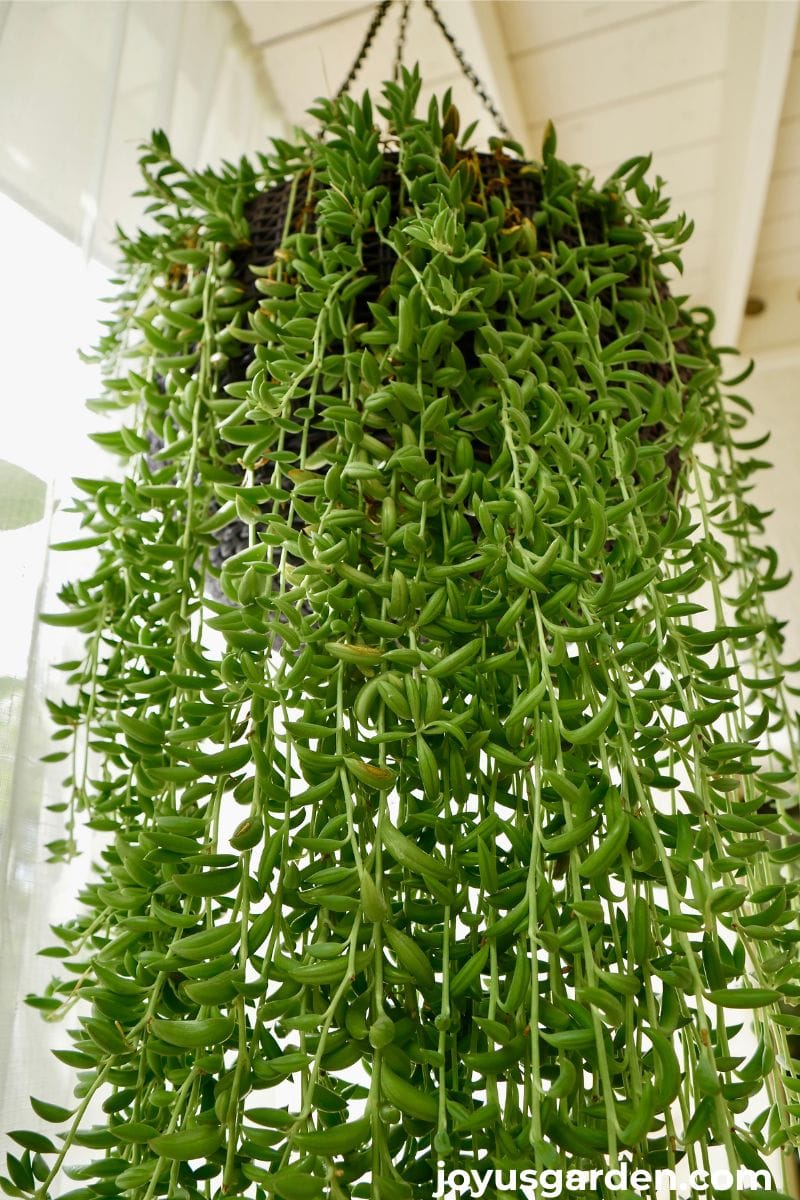
String Of Fishhooks (Senecio rowleyanus)
Another fun “string of” plant is String of Fishhooks, and this one really takes off. I was growing mine indoors for years and recently moved it outdoors. The trails have reached 10 feet long. It’s easygoing, but like many succulents grown indoors, it can be prone to mealybugs, so it’s a good idea to check it now and then. Type: trailing plant
Growing Guide: String of Fishhooks Care
Fast growing houseplants I’ve grown in the past, but am not currently growing
String of Hearts
trailing plant. Growing Guide: String of Hearts Care
Weeping Fig (Ficus benjamina)
floor plant. Growing Guide: Ficus Benjamina Care
Wandering Jew (tradescantia zebrina)
trailing plant. Growing Guide: Wandering Jew Care
Swedish Ivy (Plectranthus)
trailing plant. Growing Guide: Swedish Ivy Care
Conclusion: Fast-growing indoor plants are a simple way to bring life into your indoor space without waiting forever to see results. They give you that quick reward we all love — fresh leaves, fuller growth, and real progress you can enjoy. When you’re adding new plants to your collection, these speedy growers make it easy to create a space that feels lush and alive.
Happy gardening,

- About the Author
- Latest Posts

Nell, the founder of Joy Us garden, was born into a gardening family and grew up in Connecticut’s countryside. After living in Boston, New York, San Francisco, & Santa Barbara, she now calls the Arizona desert home. She studied horticulture & garden design, working in the field all her life. Nell is a gardener, designer, blogger, Youtube creator, & author. She’s been gardening for a very long time & wants to share what she’s learned with you.